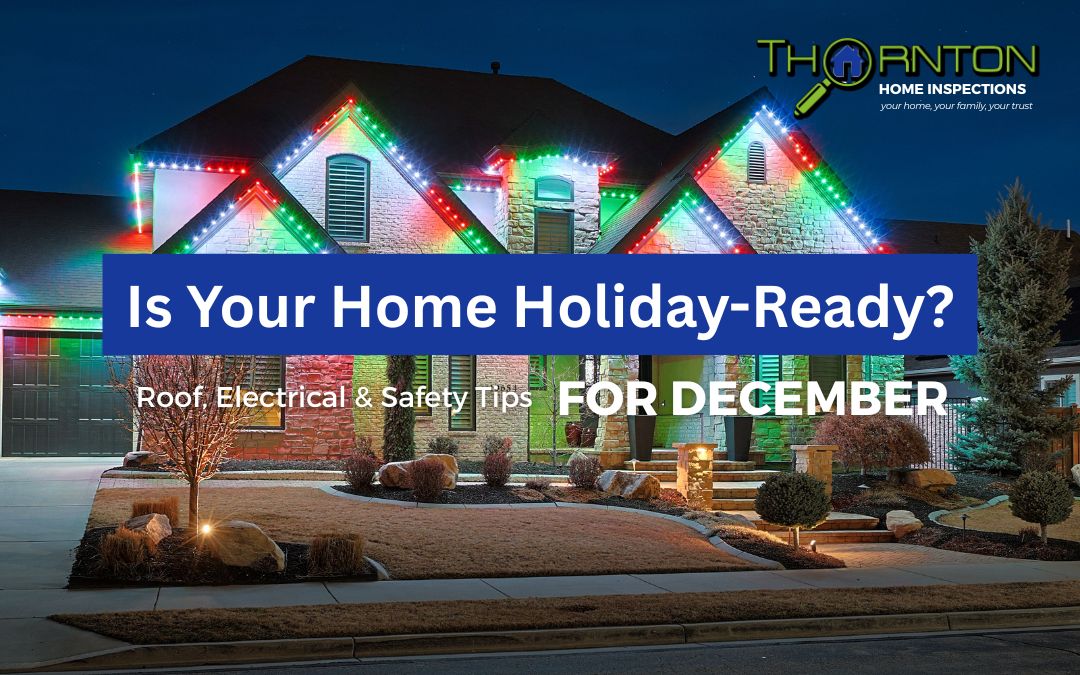
Holiday decorating is part of many Chattanooga homes, but the added lighting, cords, and electrical load can place stress on important areas of the property. Paying attention to Christmas light safety for homeowners helps reduce risks to the roof, wiring, and indoor spaces during the colder months. This guide outlines how decorations affect the home and why small choices can prevent problems later.
Electrical Load and Christmas Light Safety for Homeowners
December often brings higher electrical use inside the home. Lighting displays, inflatables, heaters, and indoor décor can run at the same time, and older Chattanooga homes may not be designed to support that demand. Warm outlets, flickering bulbs, and frequent tripped breakers are early signs that a circuit is working beyond its intended limit.
The National Fire Protection Association notes that decorative lighting contributes to winter electrical fires when older or damaged light strings are used:
www.nfpa.org/education-and-research/home-fire-safety/winter-holiday-safety
Using LED lights, replacing worn cords, and avoiding overloaded power strips help keep electrical stress under control.
Outdoor Decorations and Roof Impact
Improper installation can cause damage to the home’s exterior. Nails, hooks, or staples pushed into shingles or fascia boards create small openings where winter rain can enter. Even tiny punctures may allow moisture to reach wood surfaces or attic areas.
Cold weather can also make siding and gutters more sensitive to pressure. Vinyl siding becomes rigid and can crack when heavy clips are used, while gutters may bend under the weight of lights, clips, and leftover fall debris.
Plastic light clips are a safer choice because they hold the lights without damaging materials. For older roofs, keeping heavy inflatables on the ground helps prevent movement that can loosen shingles or ridge caps.
Indoor Holiday Fire Concerns
Indoor decorations carry their own risks. Natural trees dry out quickly when indoor heating is running, and a dry tree can ignite much faster than many homeowners expect. Older pre-lit trees may also develop cracks in wiring after years of storage.
Extension cords hidden under rugs or behind furniture trap heat, and this becomes more of an issue when they share outlets with heaters or other high-draw items. Turning off lights before bed, keeping cords visible, and replacing any strand that feels warm are simple steps that reduce risk.
Weather, Wiring, and Seasonal Home Care
Outdoor wiring faces moisture, wind, and freeze-thaw cycles throughout the season. Cords lying on the ground often collect water. Even when rated for outdoor use, repeated exposure can cause hidden wear in connectors or plugs.
Seasonal decorating also highlights small maintenance concerns that homeowners may overlook during the rest of the year. For additional guidance and homeowner resources, you can visit:
www.thorntonhomeinspections.net/resources
Keeping track of these small issues helps prevent larger problems later.
Why a Seasonal Inspection Helps
A winter inspection provides a clear look at how the home is responding to seasonal demands. Inspectors often find loose soffits, early roof wear, aging outlets, or moisture concerns created by decoration placement. These issues usually appear only during colder months when both indoor and outdoor systems are working harder.
Many Chattanooga homes built before the 1970s were not designed for today’s electrical load. An inspection can identify outdated components or circuits that may need attention before they turn into safety concerns. It also helps confirm that the home is prepared for holiday decorating and safe for the rest of the winter.
Staying Prepared During the Holiday Months
Holiday lighting should bring comfort, not problems. By staying aware of Christmas light safety for homeowners, you help protect your roof, wiring, and indoor spaces from unnecessary risks. With practical installation, careful use of electrical load, and attention to small maintenance details, your home stays ready for the season.
For a scheduled evaluation, book an appointment at a time that works for you. For any additional needs afterward, our team will provide the appropriate inspection guidance.