



Best of the Best Chattanooga Home Inspector
Chattanooga Home Inspector Badge
North Georgia Best of The Best Home Inspector
Certified Master Home Inspector
7 Myths about Lead Paint

7 Myths about Lead Paint

7 Myths About Lead Paint


Myth #1: Lead paint is not used anymore. Unfortunately, lead paint is commonly sold in stores in at least 45 countries around the world, despite the overwhelming evidence that it harms both children and adults. Lead paint is also used for hundreds of so-called “industrial” applications often on metal surfaces and are sometimes found on imported products in the U.S.

Myth #2: There are regulations in place banning the use of lead paint. Very few countries have completely banned all uses of lead paint and even in the U.S., Canada, and Europe, it is legal to use “industrial” lead paints for many applications. A few countries including the Philippines have regulated the lead content of both residential and industrial paints. In Europe, regulators are trying to ban paint ingredients containing lead on a chemical-by-chemical basis and have banned the use of lead chromate pigments. Efforts to restrict the use of lead paint date back to the 1920s, but it was not banned for residential use in the U.S. until 1978.

Myth #3: Lead paint in homes and schools is not a big problem as you can easily remove it. It is difficult to safely remove lead paint as sanding, scraping, torching, or power sanding can release lead dust,
expose workers, and contaminate the building and surrounding area. The use of dangerous solvents including methylene chloride can poison workers and also leave behind significant contamination. If not performed correctly by trained crews, the removal of lead paint can create a more hazardous environment and result in higher exposures to building occupants. Often the best way to abate lead paint is to remove and replace building components.

Myth #4: Lead paint is only a problem when it is damaged or deteriorated.
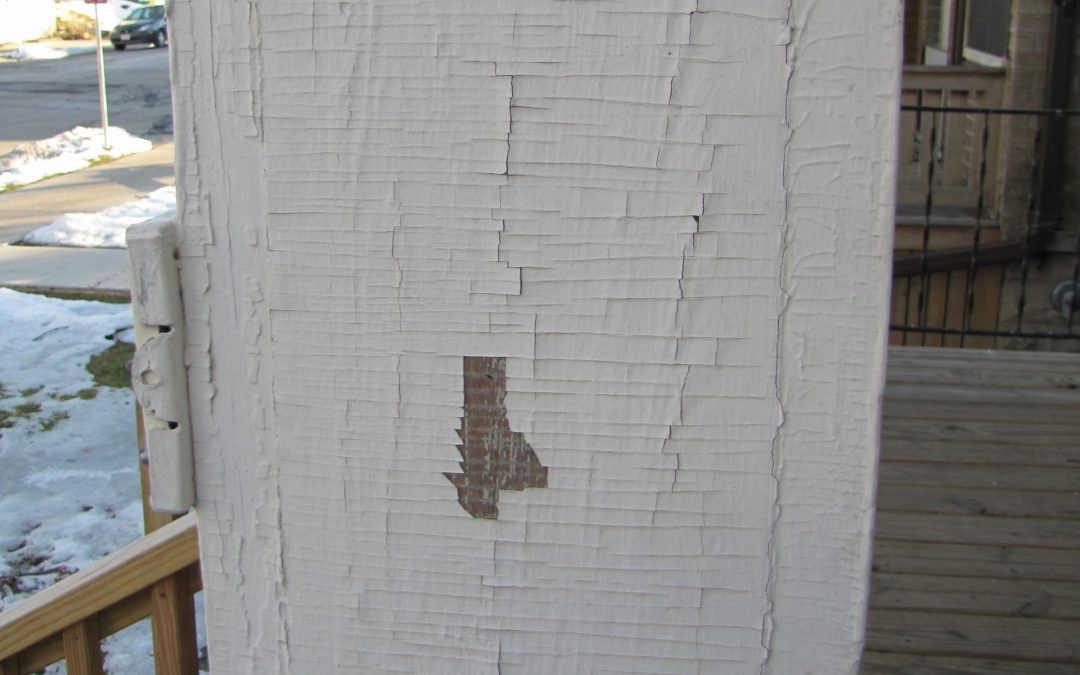
Although deteriorated lead paint is a problem, even normal weathering of lead paints on exterior surfaces contributes to lead contamination of soil, exterior dust, water, and air. National surveys in the U.S. have shown that homes with only intact lead paint have more lead dust than homes without any lead paint.


Myth #5: Only residential paint is a problem, as children don’t get exposed to industrial paints.
Both children and adults are exposed to lead paint so-called “industrial” applications used on roads, highways, steel structures, industrial buildings, automobiles, and other vehicles, and farm equipment. Exposures result when these paints deteriorate and contribute to dust and soil contamination, or when the paint is removed during routine maintenance. In addition, workers are exposed to lead during construction and repainting and often take home lead dust on their hands, hair, shoes, cars, and clothes. Many cases of childhood lead poisoning can be attributed to “take-home” lead exposures from these sources. Furthermore, industrial paints can be applied to homes, schools, or consumer products.

Myth #6: Lead paint only impacts children’s health.
Adults are also overexposed to lead in the course of applying, disturbing, and removing lead paint. These exposures can be very significant and dozens of studies have documented the increase in workers’ blood lead levels from these sources. Lead causes many adverse health effects in adults and even low levels are linked to elevated blood pressure, associated with at least 674,000 deaths per year globally. Even so-called “low” levels in pregnant women result in reduced fetal growth and lower birth weight.

Myth #7: Lead paint is only a problem when it is damaged or deteriorated.
Although deteriorated lead paint is a problem, even normal weathering of lead paints on exterior surfaces contributes to lead contamination of soil, exterior dust, water, and air. National surveys in the U.S. have shown that homes with only intact lead paint have more lead dust than homes without any lead paint.

Avoid These First Home Pitfalls

Avoid These First Home Pitfalls

There can be nothing as exciting as buying your first home. However, buying a home is probably one of the biggest investments that you will make in your lifetime. Therefore, you want to make sure that you buy a home which has been well maintained, suits your needs, is within your budget, and doesn’t need a lot of repairs done to it.

To make sure that buying your first home doesn’t turn a dream into a nightmare, what are some of the most common pitfalls to avoid?

Not knowing your budget

The bank might tell you what they reckon you can afford, however, never stretch yourself financially too much when buying your first home. Avoid the pitfall of not having a budget when looking for your first home. So, work out what your monthly expenses are, minus rent, and then deduct that from income. You now know how much you can afford on purchasing your first home.

Being too choosey

Of course, you will have a list of things that you want from your first home. However, don’t be so inflexible that you can’t decide on anything. Very often, compromises have to be made to get the best home for your budget. Sometimes, it is worth waiting a bit longer to save up some more money.

Not seeing potential

You may not be able to afford your dream home yet, but that doesn’t mean that your first property can’t become your dream home. So, try to see beyond the old wallpaper and bad tiling to see how the property could be fixed up. This may also add value to your property.

Not arranging a home inspection

Home inspections are necessary to make sure that you know exactly what you are buying and what the cost of any future repairs may be. Remember, the roof may be sound just now, but will it need replacing in a year or so? Your home inspection will tell you. Don’t ignore serious flaws in the property that may cause you a major headache in the future.

So, even though buying your first home can be a stressful experience, you can make sure and avoid these pitfalls. In the end, you will have the home of your dreams.

Top 10 Reasons To Get a Home Inspection

Top 10 Reasons To Get a Home Inspection

Top 10 Reasons to get a home inspection


Simply Read the value!!!

1. Peace of mind.  Thornton Home Inspections will provide you with a complete understanding of the condition of the house and help you in making an informed decision whether to buy or not.

2.  Risk vs. Reward.  A professional home inspection will usually cost a few hundred dollars, but it could end up saving you thousands.  It is better to be safe than sorry.  It’s far better to spend a few hundred dollars on the home inspection, rather than hoping for the best and ending up with a home you aren’t satisfied with.

3.  Maintenance Tips.  Your Home inspector has years of experience and a wealth of knowledge. Use this resource to its fullest, ask questions. Your Home Inspector will gladly offer tips, maintenance ideas, and advice on repairs.

4.  Pests and insects.  Pests such as termites and rats can cause terrible damage to a home.  The house you are eyeing may look appealing from the street but underneath it all, these unwelcome guests could be doing thousands of dollars worth of damage.

5.  Structural Issues.  Structural issues can be very expensive to fix, and without the trained eyes of a Home Inspector, its very easy to overlook the problem that will end up costing you more than you planned.

6.  Safety.  Bypassing a home inspection is a financial gamble but its also a choice that could lead to more serious consequences.  A faulty electrical system that is ignored could easily turn into a fire hazard.  A leaking faucet could turn into a hidden mold, causing health problems.

7.  Negotiating power.  Thornton Home Inspections can provide you with a full detailed report outlining any issues with the home.  With this report, you can negotiate with the seller to either fix any issues or adjust the price accordingly.

8.  To buy or not to buy?  Your home inspection may reveal more problems than you had initially expected. With the knowledge we will provide you, you can make an informed decision.

9.  Future costs.  Knowing the problems that the house has, before buying, will give you a good idea of any costs you may have to deal with in the future.

10.  Knowledge is power.  Many people are electing to own investment properties.  If you are purchasing your first home, having all the information about your future home is important.  The home inspection that we will conduct, will not only provide the necessary information, it will also help you with any future home purchases.

Call Now Button