As the year wraps up, I want to say thank you to the people who called, scheduled, showed up, and trusted me with their homes. Most inspections happen during moments that matter. A house is being bought, sold, repaired, or questioned. There’s usually a timeline involved, and there’s usually a lot riding on the outcome. I take that seriously, and I appreciate being brought into those situations. Over the past year, I’ve walked through homes of all kinds. Older houses with long histories and newer ones are still settling in. Each inspection tells a different story, but the goal is always the same: to understand the condition of the home and explain it clearly so the next steps are easier to decide.
I’m grateful to the homeowners and buyers who stayed engaged, asked questions, and wanted to understand what they were looking at instead of rushing through it. Those conversations are often the most useful part of the process. I also want to thank the real estate professionals who continue to make room for thorough inspections and clear communication. When everyone slows down enough to get the information right, fewer problems show up later.
This time of year is a good reminder that homes require attention, especially in winter. Heating systems work harder. Electrical systems carry heavier loads. Fireplaces, space heaters, and decorations all add risk if they’re ignored. Paying attention now prevents bigger issues later. As we move into the new year, the work stays the same. Show up. Look closely. Explain what I see. Treat people and their homes with respect.
I hope you have a safe holiday season and a solid start to the year ahead. Thank you for the trust and the opportunity to do this work. Desmond Thornton Thornton Home Inspections
The holidays change how a house is used. More people under one roof. Systems running longer. Lights and cords that only come out once a year. None of this means something is wrong. It simply means the home is being used more than usual. This is not the week to start projects or chase fixes. It is a good time to notice how your home behaves when it is full, busy, and lived in. These DIY home checks are about awareness, not action.
Listen before you look
When a home is quiet, small issues stay hidden. When it is full, they tend to stand out. You might hear airflow that sounds uneven, notice a door that sticks, or realize one room never warms up like the others. Do not diagnose. Do not adjust settings. Just pay attention. Patterns matter more than one moment.
Walk common areas once
Take a slow walk through the spaces everyone uses. Entryways, steps, handrails, and exterior lighting matter more when guests are coming and going. You are not inspecting. You are simply asking whether anything feels less solid or less safe than it should.
Watch where water shows itself
More showers, more dishes, and more sinks in use put extra demand on plumbing. In many homes, small leaks show up in predictable places. Look under sinks. Check around exterior doors. Notice any damp spots, staining, or musty smells. You do not need to move storage or access crawl spaces this week. Surface clues are enough.
Be realistic about cords and outlets
Holiday lighting, phone chargers, and temporary setups are common this time of year. This is also when overloaded outlets and worn extension cords cause problems. Basic electrical safety guidance from the National Fire Protection Association focuses on avoiding overloaded outlets, keeping cords in good condition, and keeping them out of walkways. These are not extreme precautions. They are simple habits that reduce preventable risks while the house is busy.
Notice comfort, not settings
Instead of adjusting the thermostat, notice how evenly the home feels. Rooms that stay cold, vents that barely move air, or areas that feel drafty often become obvious when people are home more often. You do not need to act on this now. Comfort patterns are useful information to have later.
Noticing is enough
These DIY home checks are not tasks to complete. They are observations to carry forward. If nothing stands out, that is a good sign. If something does, it can wait until life slows down again. If you want a clearer picture later, a professional home inspection can help you understand what you noticed and what actually matters. For now, let the house do its job. Hold people, conversations, meals, and time together.
Most buyers rely on a quick walk-through to decide whether a home feels right. You’re looking at layout, light, and whether the space fits your life. But what buyers miss during a home walk-through often has nothing to do with how the house looks and everything to do with how it functions over time.
A walk-through is fast and visual. It isn’t meant to uncover hidden issues, and that’s where many buyers get caught off guard later.
1. Early signs of moisture problems
Moisture issues rarely announce themselves during a showing. Sellers clean, paint, and stage homes to look dry and inviting. But faint stains, fresh paint in isolated areas, or musty odors can point to past or ongoing moisture problems.
In Chattanooga, where humidity and rainfall are common, moisture-related damage is one of the most overlooked concerns during a walk-through.
2. Crawl space conditions
Most buyers never enter the crawl space. During a walk-through, access is usually blocked or ignored altogether.
This is where inspectors often find wood rot, insulation damage, plumbing leaks, and poor ventilation. These conditions don’t affect curb appeal, but they directly impact the structure and long-term health of the home.
3. Foundation movement and past repairs
Floors can feel “good enough” during a showing, even when subtle movement exists. Hairline cracks, patched masonry, or uneven transitions may suggest previous settling or structural repairs.
Without training, buyers often assume these are cosmetic. In reality, they may deserve closer evaluation.
4. Electrical systems that look acceptable but aren’t
Electrical systems can appear functional during a showing, even when safety or code issues exist.
Lights turn on. Outlets work. That’s usually the end of the buyer’s electrical check.
What gets missed are outdated panels, double-tapped breakers, improper wiring modifications, and missing safety features. These issues are common in older Chattanooga homes and aren’t obvious during a short visit.
This is one reason a professional inspection is so important. A licensed inspector evaluates these systems beyond a basic on-and-off test. Our Chattanooga home inspection services are designed to catch exactly these types of concerns before closing.
5. HVAC performance beyond a quick test
Buyers often test heating or cooling for a few minutes and move on. That doesn’t reveal system age, installation quality, airflow balance, or safety issues.
An HVAC unit may operate during a showing but still be nearing the end of its service life or operating inefficiently, leading to unexpected repair or replacement costs.
6. Plumbing issues behind walls and under floors
Water pressure at a faucet doesn’t tell the full story. Slow leaks, aging supply lines, or improper drain slopes are common issues that remain hidden during a walk-through.
These problems typically surface after move-in, when damage has already progressed.
The Consumer Financial Protection Bureau explains that a home inspection gives buyers a chance to identify these risks before finalizing a purchase, not after living with the consequences.
7. Drainage and grading around the home
Outside the house, buyers often focus on the yard’s appearance instead of how water moves around the property.
Improper grading, clogged gutters, or downspouts that discharge near the foundation can lead to crawl space moisture and structural issues. In Chattanooga’s climate, poor drainage is a frequent contributor to long-term damage and is easy to overlook during a short showing.
The real takeaway for buyers
Confidence comes from knowing what you’re buying, not just what you can see.
Understanding what buyers miss during a home walk-through helps set realistic expectations. A walk-through is a first impression, not a risk assessment.
The solution isn’t trying to inspect the home yourself. It’s recognizing the limits of a showing and using a professional inspection to slow the process down, uncover hidden conditions, and make informed decisions.
When buyers do that, surprises are reduced, negotiations are clearer, and confidence comes from facts, not assumptions.
If you plan to list your home during winter, you should expect problems to surface faster. Cold weather stresses systems that may have performed fine in warmer months. Plumbing contracts, heating systems run continuously, and moisture behaves differently once homes stay closed up. This is why many sellers choose a pre-listing inspection Chattanooga homeowners can use to address issues before buyers ever walk through the door.
This is not about seasonal comfort. It is about protecting your deal before inspections begin.
Why winter exposes problems faster in Chattanooga homes
Chattanooga does not experience extreme winters, and that is exactly why homes here are vulnerable. Many houses were built with minimal freeze protection. Crawlspaces, exterior plumbing, attic insulation, and drainage systems are often just adequate for mild weather. When winter rain and freezing nights arrive, weaknesses show up. Buyers notice cold rooms, musty odors, and water staining quickly. Inspectors document them even faster. Winter does not create defects. It reveals them.
Pre-listing inspection Chattanooga sellers should schedule before listing
Pre-listing inspections help sellers identify winter problems before listing.
A pre-listing inspection Chattanooga sellers complete in winter gives them control. Instead of reacting to buyer demands under contract, sellers can decide what to fix, what to disclose, and what to price accordingly.
Common winter findings include:
Exposed plumbing in crawlspaces or garages
Minor roof leaks that only appear during cold rain
Fallen or missing insulation
Heating systems that cannot maintain consistent temperatures
These are routine inspection findings in Southeast Tennessee during cold months. Scheduling a Pre-Listing Inspection allows sellers to reduce negotiation pressure and avoid last-minute repair requests.
Heating performance matters more than sellers expect
Buyers are unforgiving of cold houses. If a home feels uncomfortable during a showing, buyers assume the heating system is unreliable or nearing replacement. Before listing, sellers should confirm that:
Heat reaches all rooms consistently
Filters are clean
Supply and return vents are unobstructed
Thermostats respond correctly
Even minor comfort issues often become leverage during negotiations.
Plumbing and freeze risks are commonly underestimated
Frozen pipes are not rare in this region, especially in homes with crawlspaces. Inspectors frequently note:
Unprotected exterior hose bibs
Missing pipe insulation
Slow leaks that worsen as temperatures drop
Sellers often rely on the phrase “we’ve never had a problem.” That assumption fails when systems are tested during inspections.
Roof drainage and moisture show up quickly in winter
Winter rain exposes drainage problems immediately. Clogged gutters and short downspouts often cause water staining at ceilings, walls, or foundation areas. Inspectors document stains, not intentions. Buyers then assume water intrusion, even if the repair is simple. Cleaning gutters and directing water away from the home before listing prevents unnecessary concerns.
Attic insulation and condensation raise buyer concerns
Cold ceilings, drafty rooms, and condensation on windows raise questions about efficiency and moisture control. These are usually insulation or air sealing issues. According to the U.S. Department of Energy, proper insulation reduces heat loss and improves comfort during winter, which directly affects buyer perception of operating costs and home quality. www.energy.gov/energysaver/insulation This is one of the few improvements that affects comfort, inspections, and buyer confidence at the same time.
Crawlspace moisture and odor quietly hurt showings
Crawlspaces are a common weak point in Chattanooga homes. Winter moisture combined with closed interiors often leads to musty odors. Buyers may never see the crawlspace, but they will smell it. Most buyers assume moisture problems are expensive, even when the solution is basic drainage or vapor barrier repair. Addressing this before listing prevents buyers from mentally discounting your home.
What winter sellers should handle before listing
Before your home goes live:
Test the heating system under cold conditions
Insulate exposed plumbing
Clean gutters and extend downspouts
Check attic insulation and ventilation
Address crawlspace moisture and odors
Install working smoke and carbon monoxide alarms
These steps are not cosmetic. They reduce inspection risk.
Final thoughts for winter sellers in Chattanooga
Cold weather reveals issues buyers and inspectors notice quickly.
Winter listings can succeed, but only when sellers prepare for how cold weather exposes defects. A pre-listing inspection Chattanooga sellers use correctly reduces surprises, protects pricing, and keeps transactions moving.
Cold weather does not kill deals. Unaddressed problems do.
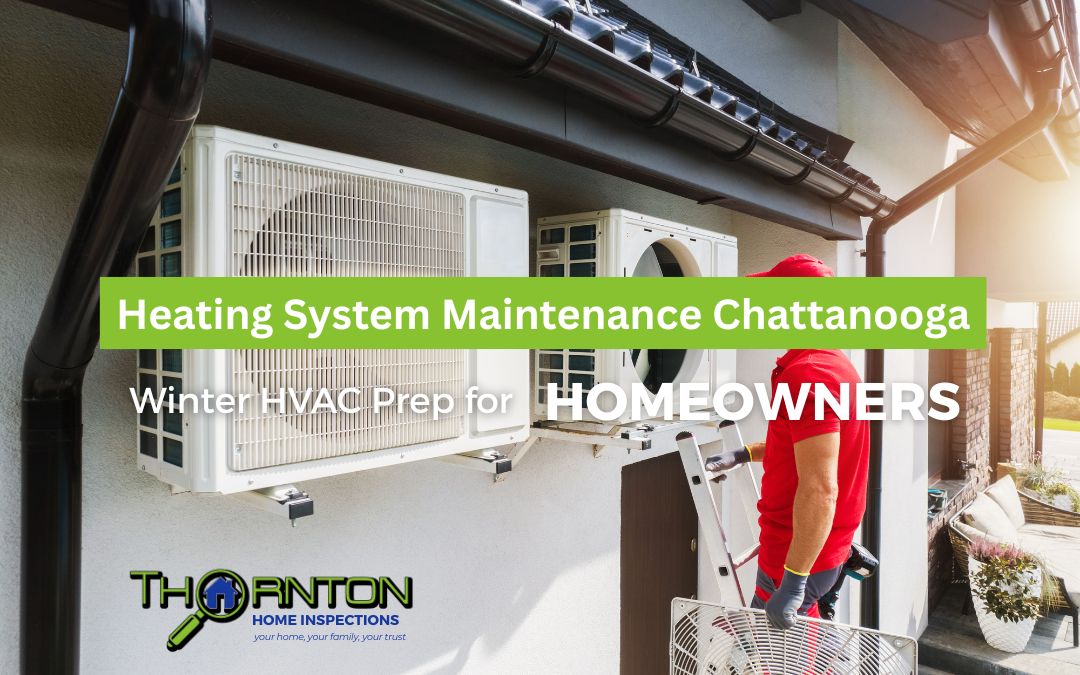
Heating system maintenance Chattanooga becomes especially important as winter approaches and temperatures start to swing. Many homeowners notice problems only when the first real cold front arrives, and by then, the HVAC system is already under strain. Chattanooga homes often face unique challenges during winter — older insulation, mixed ductwork, and higher indoor humidity — all of which can affect how well a heating system performs. With the right seasonal care, including tune-ups, filter changes, and sealing small air leaks, you can keep your home warm, efficient, and ready for the cold months ahead.
A winter tune-up gives your heating system a strong start to the season.
Why Seasonal HVAC Tune-Ups Make the Biggest Difference
A seasonal tune-up is the foundation of reliable winter comfort. Most homeowners know they should schedule one, but many skip it because the system “seems fine.” The problem is that heating issues rarely announce themselves early. Instead, components wear slowly, airflow drops little by little, or burners become dirty without showing noticeable symptoms.
A good tune-up helps catch the small things: a weak capacitor, a burner that’s not firing evenly, or a blower motor showing early signs of strain. These issues often show up during home inspections throughout Chattanooga, especially when buyers want to understand how well a system has been cared for.
During winter, your HVAC doesn’t get a break. It cycles more often, stays on longer, and faces colder air entering the system. That heavy workload means any small weakness can turn into a major failure. A tune-up gives you a clean start to the season. For homeowners planning updates or preparing to sell in the near future, a seasonal HVAC check pairs well with a full home inspection. You can explore what that looks like on our main service page: Thornton Home Inspections – Residential Inspection Services
How Filter Changes Protect Your System All Winter
Dirty filters are one of the top reasons Chattanooga homeowners experience heating issues mid-season. A clogged filter forces your furnace to work harder to pull air through the system. That strain shows up in a few ways:
Higher utility bills
Weak airflow from vents
Hot and cold spots around the house
Premature wear on blower components
Winter increases the amount of dust, pet dander, and indoor particles circulating through your home, especially when windows stay closed. Changing your filter every 30 to 60 days is one of the cheapest ways to keep your system running smoothly.
If you live near the Tennessee River, Signal Mountain, or in one of Chattanooga’s older neighborhoods like St. Elmo or Highland Park, you may also have more moisture in the indoor air. That moisture makes filters clog faster, so watching them more closely during the winter can prevent early system fatigue.
Sealing Air Leaks: A Key Part of Heating System Maintenance in Chattanooga
This is where your HVAC system and your home’s structure meet. Even the best furnace can’t keep up if your home is leaking warm air. Chattanooga homes — especially those built before the 1990s — often have hidden air gaps around windows, crawlspaces, attics, and duct joints.
When warm air escapes, two things happen:
Your heating system runs longer to compensate.
Your energy bills climb even though the house never feels fully warm.
Sealing air leaks relieves pressure on your HVAC and stabilizes indoor temperature. Weatherstripping exterior doors, closing attic bypasses, and repairing duct leaks are often easy weekend projects that deliver real savings.
This resource aligns well with what we see during inspections in older Chattanooga homes, where small gaps add up to major heat loss.
Why Your HVAC Works Harder During Chattanooga Winters
Even in a mild winter, Chattanooga’s mix of moisture and cold puts more load on heating systems than people expect. Damp, chilly air takes more energy to heat. Homes near wooded areas or along the mountain ridges often experience temperature drops at night that force the system to cycle repeatedly.
A few signs your system is under pressure:
The furnace turns on and off more frequently than usual
Rooms take longer to warm up
Your thermostat setting keeps creeping upward
You smell a slight burning when the unit starts (often dust buildup).
This is also when small issues show up: minor airflow restrictions, dirty burners, loose ductwork connections, or a thermostat that’s not reading accurately. Winter is unforgiving to weak components, which is why tune-ups and filter changes matter so much.
Ductwork Matters More Than Homeowners Think
Many Chattanooga homes have ductwork that’s been modified over the years — sometimes by different owners, sometimes as additions were added. These changes can create dead-end ducts, undersized runs, or leaks in the attic or crawlspace.
If your heating system feels uneven, or if one room stays cold no matter what you do, the ducts may be the real culprit. Adjustments can often solve the problem without upgrading the HVAC unit itself.
A quick inspection of ductwork can reveal:
Loose joints
Crushed sections
Missing insulation
Improperly sized vents
Leaks pulling air into unconditioned spaces
Addressing these issues improves comfort and reduces the workload on your heating system.
Practical Steps You Can Take Before the Next Cold Snap
While professional tune-ups handle the more technical side of maintenance, homeowners can take several simple steps to support system performance:
Keep supply vents and return air pathways clear
Inspect your outdoor heat pump (if you have one) for debris
Check for drafts around windows
Monitor thermostat responsiveness
Listen for unusual sounds during startup
Most problems start small. Catching them early gives you options and prevents damage that can shorten your system’s lifespan.
Reliable maintenance keeps your home comfortable throughout the winter.
Why Heating System Maintenance Chattanooga Helps You Stay Ready All Winter
Staying warm in winter doesn’t require complicated routines. What matters is consistency. Heating system maintenance Chattanooga protects your home by keeping strain off the equipment, improving indoor comfort, and reducing the risk of mid-season breakdowns. When your HVAC enters the cold months clean, tuned, and supported by a well-sealed home, it runs smoother and lasts longer.
If you’d like a clearer picture of your home’s overall condition — including HVAC performance, insulation, ductwork, and general safety — Thornton Home Inspections is here to help. A winter-ready home starts with understanding what’s working well and what needs attention.
If you’re preparing for winter or planning upcoming repairs, schedule your inspection with Thornton Home Inspections. We serve Chattanooga and the surrounding communities with detailed, homeowner-focused evaluations.