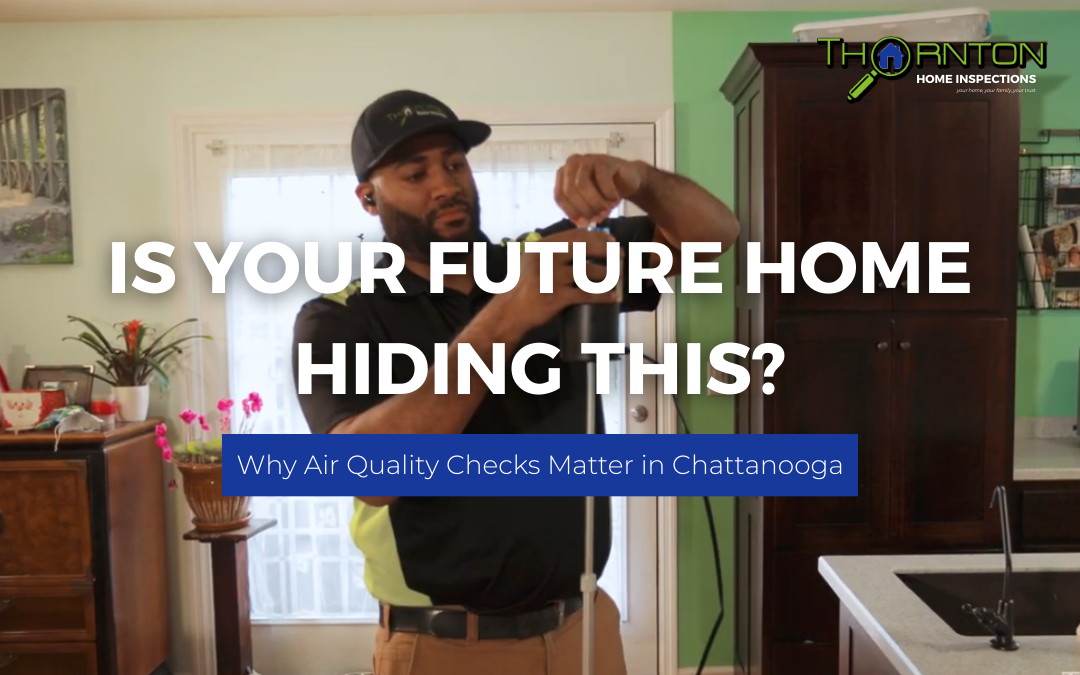
When buying a home in Chattanooga, most buyers focus on the obvious inspection points — the roof, foundation, plumbing, and electrical systems. But one area often overlooked is the air you’ll be breathing once you move in. An air quality check in home is an optional add-on to a standard inspection that can uncover hidden risks and give you confidence in your purchase.
What Is an Air Quality Test?
An air quality test evaluates the indoor environment for pollutants that aren’t always visible. Inspectors may take samples of air and surfaces to detect common issues like:
Mold spores — often linked to moisture problems.
Volatile Organic Compounds (VOCs) — chemicals released from building materials, paints, or cleaning products.
Radon — a naturally occurring radioactive gas known to increase cancer risks.
Pollen and allergens — common in Chattanooga due to high seasonal pollen counts.
The goal of testing is to identify contaminants that could impact your family’s health before you finalize your purchase.
Why It Matters in Chattanooga
Chattanooga’s environment brings unique air quality concerns. The city is in a valley, which can trap air pollutants, and it ranks high nationally for pollen and seasonal allergies. High humidity levels also increase the risk of mold growth in basements, crawlspaces, and poorly ventilated homes. According to the EPA, Tennessee is considered a zone of concern for radon, making testing particularly valuable in this region.
By including an air quality check in home during your inspection, you can detect issues tied specifically to Chattanooga’s climate and geography.
When Should Buyers Consider It?
Not every buyer will need an air quality test, but it’s especially useful if:
- You or your family members have asthma, allergies, or respiratory sensitivities.
- The home has a history of flooding, water damage, or musty odors.
- The property is older and may have outdated materials.
- You want extra assurance about the long-term livability of the space.
While a standard home inspection covers visible defects, it cannot confirm what’s in the air. An air quality check in home fills that gap.
How the Process Works
Air quality testing usually involves placing monitoring equipment inside the home or collecting samples for lab analysis. The results can take anywhere from 24 hours to a few days, depending on the type of test. Your inspector will provide a report detailing the findings and possible next steps, such as remediation if elevated mold spores or radon are detected.
Key Takeaway
For Chattanooga homebuyers, an air quality check in home provides peace of mind that goes beyond the basics of a standard inspection. With the region’s unique challenges—pollen, humidity, and radon exposure—this optional step can reveal hidden risks and help ensure your new home is safe and comfortable for years to come.